
Published 29 January 2026
Proven 9 Products Supporting Melasma Management
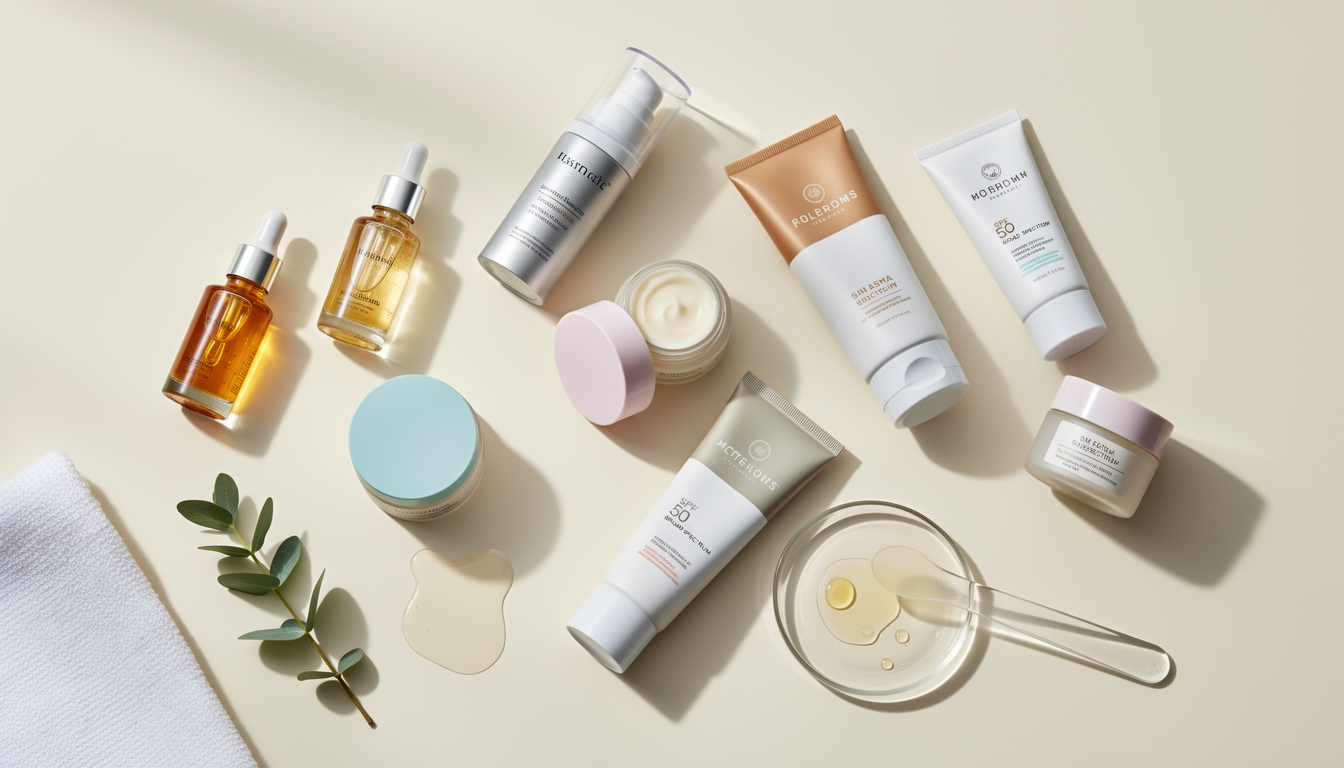
Melasma shows up as brown or grayish-brown patches on the face and can be tricky to control. Common triggers include sunlight, hormonal shifts, and even heat. There isn’t a single cure, but strict sun protection combined with targeted topicals often brings noticeable improvement. This roundup focuses on products dermatologists and skincare pros commonly recommend, explaining the key actives and how they fit into a practical melasma care plan.
1. EMUAIDMAX First Aid Ointment
For broad skin support, EMUAIDMAX First Aid Ointment is formulated to help heal irritated or compromised skin barriers. It’s intended to calm inflammation, ease pain and itching, and the manufacturer reports it eliminates 99.99% of bacteria within a minute of application. Although it’s not marketed as a melasma-specific therapy, supporting the skin barrier and reducing inflammation can be a useful part of an overall approach to hyperpigmentation, since flare-ups and irritation can make discoloration worse.
EMUAIDMAX uses a proprietary mix of natural ingredients. Its listed homeopathic active is Argentum Metallicum (colloidal silver), known for antiseptic and anti-infective uses and sometimes used to help minor wounds and infections heal. The formula also contains Emu oil, ceramide 3, phytosphingosine, tea tree oil, and allantoin, which together aim to limit moisture loss, soften the skin, and support barrier repair and wound healing. This combination seeks to create better conditions for skin recovery. Users often report relief from pain and irritation within a few days.
2. SkinCeuticals Discoloration Defense Serum
The SkinCeuticals Discoloration Defense Serum is formulated specifically to address visible discoloration, including melasma. It combines several actives intended to fade persistent brown patches and post-inflammatory marks. Clinicians often recommend it for improving overall tone and brightness.
Its key actives are 3% Tranexamic Acid, 1% Kojic Acid, and 5% Niacinamide. Tranexamic acid disrupts pathways that lead to pigment formation, kojic acid inhibits tyrosinase to slow melanin production, and niacinamide reduces pigment transfer and soothes inflammation. Clinical studies show benefits for brown patches, making this a strong non-hydroquinone option for melasma, typically positioned in the premium price range.
3. Paula's Choice 10% Azelaic Acid Booster
Paula's Choice 10% Azelaic Acid Booster is a multiuse product that targets melasma, acne, and redness. Azelaic acid is a naturally occurring dicarboxylic acid valued for its anti-inflammatory, antibacterial, and melanin-inhibiting effects. It helps by reducing tyrosinase activity and encouraging gentle cell turnover to reveal more even skin.
This booster is often better tolerated than some other brightening agents, so it suits reactive or sensitive skin and is commonly considered during pregnancy—though you should check with your doctor. Reviewers note visible improvement in tone and texture, with a marked reduction in hyperpigmentation. It’s typically mid-priced and formulated to be non-comedogenic and hypoallergenic.
4. La Roche-Posay Mela B3 Serum
The La Roche-Posay Mela B3 Serum focuses on fading stubborn dark spots and brightening the complexion. Many dermatologists recommend it for early-stage melasma because it balances effectiveness with gentleness. It aims to treat existing spots and help prevent them from returning.
Its standout ingredient is Melasyl, a patented compound, paired with 10% Niacinamide. That pairing works to interfere with pigment formation and keep melanin from darkening further, which helps reduce the chances of relapse. The serum’s lightweight, non-greasy texture and dropper delivery make targeted application easy. Users report skin brightening and reduced dark spots with minimal irritation, making it a strong option for melasma care.
5. EltaMD UV Clear Broad-Spectrum SPF 46 (Tinted)
Consistent daily sun protection is the single most important step in melasma control, and the EltaMD UV Clear Broad-Spectrum SPF 46 (Tinted) is a frequently suggested option. This mineral sunscreen protects against UVA and UVB rays—both implicated in melasma—and the tint includes iron oxides to help shield against visible light and blue light from screens, which can trigger pigment activity.
The formula uses zinc oxide and titanium dioxide as physical blockers, which tend to be gentle on sensitive or acne-prone skin. Many users like its lightweight, non-comedogenic feel and how it blends without a white cast, making it suitable for various skin tones. Its soothing properties and subtle evening effect on existing patches make it a go-to daily product; it generally falls in the mid-to-high price bracket.
6. SkinMedica Lytera 2.0 Pigment Correcting Serum
SkinMedica Lytera 2.0 is a hydroquinone-free serum aimed at correcting stubborn discoloration and evening skin tone. It targets multiple pathways in pigment formation, making it useful for sun spots and other UV-linked hyperpigmentation as part of a melasma regimen.
The formula pairs Tranexamic Acid, Phenylethyl Resorcinol, and Niacinamide, which together reduce dark spots, brighten the complexion, and improve clarity. Dermatologists often suggest Lytera 2.0 for long-term maintenance because it avoids hydroquinone while still delivering meaningful pigment reduction. It’s priced toward the higher end—many users cite visible results that justify the approximately $178 cost.
7. CeraVe Resurfacing Retinol Serum
If you want a retinoid in your melasma plan but need something gentle, the CeraVe Resurfacing Retinol Serum is a practical choice. Retinols speed up cell turnover, helping shed pigmented cells so fresher, more even-toned skin appears. This serum is aimed at those who find stronger retinoids irritating.
The serum contains encapsulated retinol for controlled release, which reduces irritation risk, plus licorice root extract to help fade post-acne marks and melasma. Niacinamide is also included to soothe the skin and support pigment reduction. Used at night and followed by sunscreen in the morning, it supports renewal and discoloration correction while protecting the skin barrier. It’s affordable and widely available.
8. Good Molecules Discoloration Correcting Serum
The Good Molecules Discoloration Correcting Serum is an approachable, cost-conscious option for treating hyperpigmentation, including melasma and post-acne marks. It’s known for packing effective brightening ingredients into a budget-friendly formula, which makes targeted correction more accessible.
This serum combines 3% Tranexamic Acid with 4% Niacinamide. Tranexamic acid helps interrupt discoloration pathways, while niacinamide reduces visible dark spots and limits pigment transfer between cells. Together they can improve the look of uneven tone and support a clearer, more radiant complexion. Its mildness suits most skin types, and it often retails around $11.97.
9. Sunday Riley C.E.O. 15% Vitamin C Brightening Serum
The Sunday Riley C.E.O. 15% Vitamin C Brightening Serum is an antioxidant-rich option for dullness, dark spots, and aging signs, making it useful alongside other melasma treatments. Vitamin C brightens skin, helps fade hyperpigmentation, and provides photoprotective antioxidant support—important for preventing melasma from worsening.
It contains 15% Tetrahexyldecyl Ascorbate (THD Ascorbate), a stable, lipophilic form of vitamin C that penetrates well and delivers antioxidant and brightening effects. With regular use, it can reduce dark spots and improve overall luminosity. Although it’s in the premium price tier—typically around $85—users often point to its high, stable vitamin C concentration as the reason for its effectiveness.
Key Takeaways
- Sun Protection is Paramount: Regular use of a broad-spectrum mineral sunscreen (SPF 30+) with iron oxides is the single most important step in preventing and managing melasma.
- Multi-Ingredient Approach: Combining actives that block melanin production, speed cell turnover, and calm inflammation usually works better than any single ingredient alone.
- Gentle is Key: Choose formulations that limit irritation, since inflammation can make melasma worse.
- Patience and Consistency: Expect to use products consistently for weeks to months before seeing meaningful improvement.
FAQ
What ingredients should I look for in products for melasma?
Look for tranexamic acid, azelaic acid, niacinamide, vitamin C (stable forms like THD Ascorbate), retinoids (retinol, retinal, adapalene), kojic acid, and arbutin. Broad-spectrum mineral sunscreens with zinc oxide, titanium dioxide, and iron oxides are also essential.
Can melasma be completely cured with topical products?
Topical treatments can greatly reduce the appearance of melasma and help keep it from returning, but a permanent cure is uncommon because sun exposure and hormones can trigger recurrence. Combining at-home care with professional treatments and strict sun protection gives the best chance for durable improvements.
Managing melasma takes a focused, consistent approach. Using evidence-backed products, protecting your skin from sun and visible light, and checking in with a dermatologist can lead to meaningful improvement in tone and clarity over time.